The AI-Powered KYC Revolution: What Banks and Fintechs Must Do Next
Learn how predictive, generative, and agentic AI can cut compliance costs by 50%, improve detection accuracy, and transform KYC into a strategic growth engine.


Learn how predictive, generative, and agentic AI can cut compliance costs by 50%, improve detection accuracy, and transform KYC into a strategic growth engine.

Subscribe now for best practices, research reports, and more.
For more than a decade, financial institutions have expanded their compliance functions adding layers of screening, monitoring, due diligence, and regulatory reporting. Yet the outcomes paint a stark picture:
The gap is not effort, it’s architecture. According to BCG’s latest research, leading banks are now redesigning KYC around risk coverage, operational efficiency, and long-term sustainability. Compliance is no longer a back-office obligation. It is becoming a strategic engine powered by AI, where humans and machines work together.
This shift is only possible because of three categories of AI now converging inside financial crime operations: predictive AI, generative AI, and agentic AI. Together, they move KYC from fragmented automation to end-to-end transformation.
1. Predictive AI Smarter Detection and Scoring
As per a Mckinsey & Company report predictive AI analyses behavioral, transactional, and network patterns to:
Banks leveraging predictive models report significant improvements in coverage and early warning signals, reducing false positives and accelerating investigations.
2. Intelligent Processing and Summarisation (Generative AI)
Generative AI learns from massive volumes of structured and unstructured data, enabling:
In one BCG-documented pilot, a global bank deployed GenAI across 50 analysts and 300+ subtasks in a four-week sprint, drastically reducing manual workload.
3. End-to-End Autonomous Orchestration (Agentic AI)
Agentic AI goes beyond automation. It creates intelligent agents that work collaboratively to execute entire workflows.
Use cases include:
A major universal bank built an “agentic AI factory” with specialised agent squads, achieving full auditability, faster cycle times, and the ability to handle cases at unprecedented scale.
AI in KYC is not about reducing headcount, it's about reallocating human intelligence to higher-value work. Today, financial crime compliance consumes 5% of banking costs. Tomorrow the AI-Driven KYC can reduce operational costs by upto 50%, while improving detection outcomes. Nasdaq estimates $25–$50 billion in annual savings across global financial services through AI-enabled compliance transformation. This is not simple cost optimisation.It is strategic repositioning shifting resources from manual data tasks to investigation, exception handling, and true risk assessment.
1. Reimagine Processes Around Data and Intelligence
Instead of digitising legacy workflows, leading banks redesign processes from the ground up:
This ensures AI trains on the right inputs and orchestrates tasks effectively.
2. Prioritise High-Impact Use Cases
AI adoption succeeds fastest when focused on areas with immediate value:
These cases deliver quick wins and build momentum for organisation-wide adoption.
3. Build for Scale: Composable, Modular, API-First
Future-proof compliance requires:
Siloed deployments stall quickly; composability accelerates enterprise-wide rollout.
4. Embed Trust: Governance and Explainability by Design
AI in compliance must be fully traceable:
Governance cannot be an afterthought. It must be built in from day one.
Contrary to popular belief, AI does not replace compliance teams. It augments them.
Humans shift from repetitive tasks to:
AI developers create and refine digital agents, while analysts guide and correct them. The result is a hybrid intelligence model faster, more accurate, and more resilient.
Real-world examples prove this:
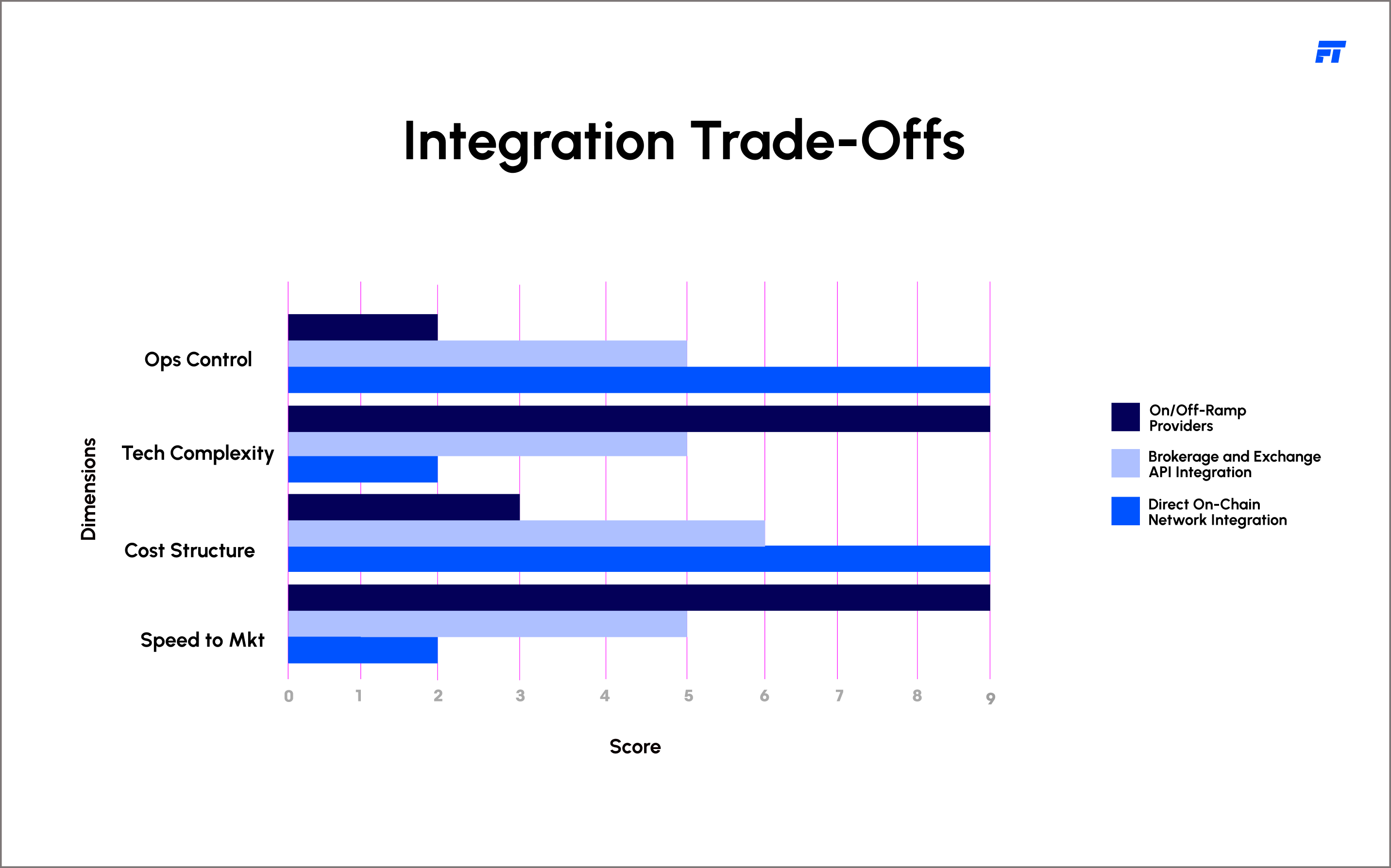
1. Compliance-by-Design Is Mandatory
Legacy workflows bolted onto modern systems will fail. Institutions must embed governance, explainability, and audit trails into every layer.
2. Composable Architecture Wins
Just as payment orchestration outperforms monoliths, KYC platforms must become:
Single-vendor dependency creates lock-in and technical debt.
3. Data Is the Strategic Asset
High-quality data fuels AI. Poor data governance cripples AI. Institutions must treat data as a core product, not a compliance obligation.
4. Vendor-Agnostic Execution Is Essential
Regulations evolve. Models must be retrainable. Vendor flexibility ensures adaptability.
According to BCG, banks that adopt AI-driven, integrated risk and compliance frameworks will shift KYC from an operational burden to a strategic differentiator. KYC is no longer a static checklist.
It is a continuously learning system smarter, faster, and more resilient. The question for financial institutions is no longer if they should adopt AI-driven KYC. It is whether they have the architecture, governance, and talent to execute at scale.
Let’s design the operating model, data foundation, and AI orchestration your institution needs to lead the next decade of compliance innovation.

















































.png)




















.svg)