Building the Agentic RAG Tech Stack: An Enterprise Guide
Agentic RAG requires more than just an LLM. Discover the 9 essential components of a production-grade stack, from vector DBs to evaluation frameworks.

Agentic RAG requires more than just an LLM. Discover the 9 essential components of a production-grade stack, from vector DBs to evaluation frameworks.

Subscribe now for best practices, research reports, and more.
The generative AI landscape has moved past the "chatbot era." We are entering the age of Agentic RAG (Retrieval-Augmented Generation). Unlike passive bots that simply answer questions based on a static knowledge base, agentic systems can reason, plan, and execute multi-step workflows. They don't just "know" things; they do things.
For financial institutions, this distinction is critical. A standard RAG system can summarize a policy document. An Agentic RAG system can verify a user's identity, retrieve their specific policy details from a secure database, cross-reference it with current claims data, and draft a personalized response all while adhering to compliance guardrails.
However, moving from a prototype to a production-grade agentic system requires a sophisticated technology stack. It is not enough to slap a vector database onto an LLM. You need a robust infrastructure that handles orchestration, memory, evaluation, and security.
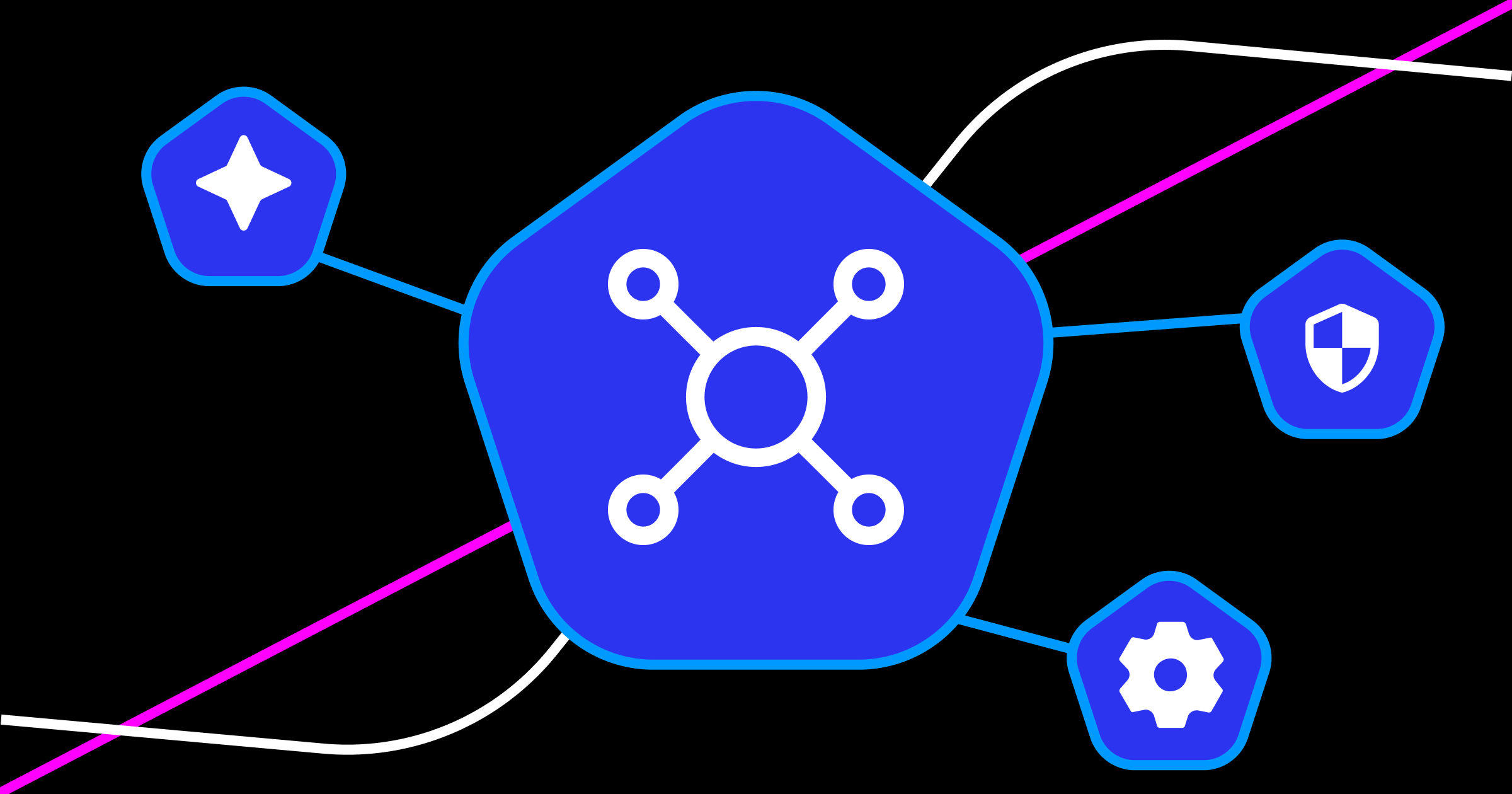
This blog breaks down the nine essential components of an enterprise-grade Agentic RAG stack, structuring them into three strategic pillars: The Cognitive Core, The Retrieval Engine, and The Operational Guardrails.
Many organizations fall into the "Prototype Trap." They build a proof-of-concept using a simple chain (LLM + PDF loader) and see impressive initial results. But when they try to scale this to handle complex financial queries, the system crumbles.
To avoid these pitfalls, you must treat your AI agents as software applications, not magic boxes. This requires a modular, vendor-agnostic stack designed for resilience and observability.
We must stop viewing AI as a standalone feature and start viewing it as a distinct infrastructure class. Just as you have a "data stack" (warehouse, ETL, BI) and a "web stack" (frontend, backend, API), you now need an "Agentic Stack."
This stack is composed of nine critical layers that work in concert to deliver precise, context-aware, and actionable intelligence.
This pillar handles the reasoning, planning, and orchestration of the agent. It is where the "thinking" happens.
1. LLMs (Large Language Models)The engine of the system. In an agentic context, the LLM is not just a text generator; it is a reasoning engine. It decides which tools to call and how to structure the final answer.
2. Frameworks (Orchestration)If the LLM is the brain, the framework is the nervous system. Tools like LangChain, LlamaIndex, or Autogen manage the flow of information. They handle prompt chaining, tool execution, and the logic that connects the agent to the outside world.
3. MemoryStandard LLMs are stateless; they forget everything after each interaction. Agentic RAG requires persistent and contextual memory. This allows the agent to recall user preferences across sessions ("Short-term memory") and learn from past interactions ("Long-term memory").
This pillar ensures the agent has access to the right data at the right time. In finance, accuracy here is non-negotiable.
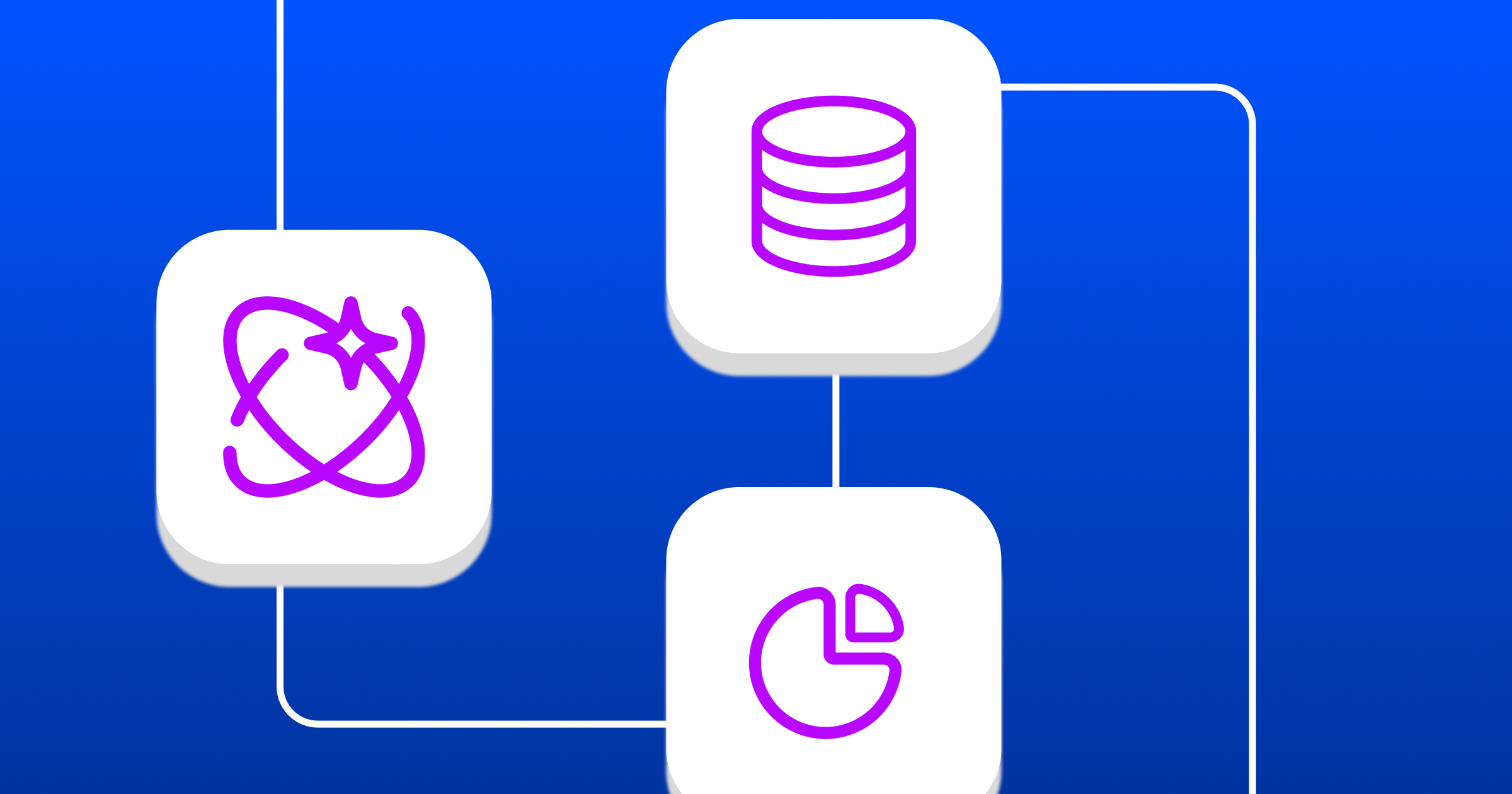
4. Vector DatabasesThe library of the AI. Vector DBs (like Pinecone, Weaviate, or Milvus) store data not as text, but as mathematical vectors. This allows for semantic search—finding documents that match the meaning of a query, not just keywords.
5. Embedding ModelsThe translator. These models convert raw text (documents, emails, logs) into the vector format that the database can understand.
6. Data Extraction (ETL for AI)Garbage in, garbage out. You need pipelines (like Unstructured.io or LlamaParse) that can cleanly extract text from complex formats like PDFs, tables, and scanned images.
This pillar transforms a research project into enterprise software. It focuses on reliability, safety, and continuous improvement.
7. Deployment Where does the agent live? This layer handles the hosting and execution of the agent code. It involves containerization (Docker/Kubernetes) and optimized compute resources (GPUs/TPUs).
8. Evaluation (Evals)How do you know it's working? Continuous testing is essential. Frameworks like Ragas or DeepEval allow you to score your agent's responses based on faithfulness (did it make things up?) and relevance (did it answer the question?).
9. Alignment & ObservabilityThe control tower. Tools like Arize Phoenix or LangSmith provide visibility into what the agent is doing. They track token usage, latency, and trace the agent's "thought process" step-by-step.
Investing in a robust Agentic RAG stack delivers tangible ROI:
Building an Agentic RAG system is an engineering discipline, not a prompt engineering task. It requires a deliberate architectural approach that balances the cognitive power of LLMs with the reliability of traditional software infrastructure.
Fyscal Technologies specializes in designing these vendor-agnostic architectures. We help financial institutions select, integrate, and optimize the ideal stack for their specific use cases, ensuring that your journey into agentic AI is built on a foundation of stability and trust.
Ready to architect your Agentic AI stack?
































.png)












.svg)